Choosing the right water heating system is a critical decision for any homeowner, yet it is often overlooked until a breakdown occurs. Many residents face the frustrating problem of inconsistent hot water or skyrocketing energy bills due to an inefficient unit. This lack of reliable comfort can disrupt daily routines and strain household budgets unnecessarily.
Understanding the distinct advantages and drawbacks of traditional tank models versus modern tankless options provides the solution needed to make an informed investment. By evaluating your specific usage patterns and long-term financial goals, you can select a system that ensures consistent performance and efficiency. This guide explores the key factors to help you decide which technology best serves your household needs. These are 5 reasons to choose tankless or tank water heaters for your home:
1. Understanding Energy Efficiency and Operational Costs
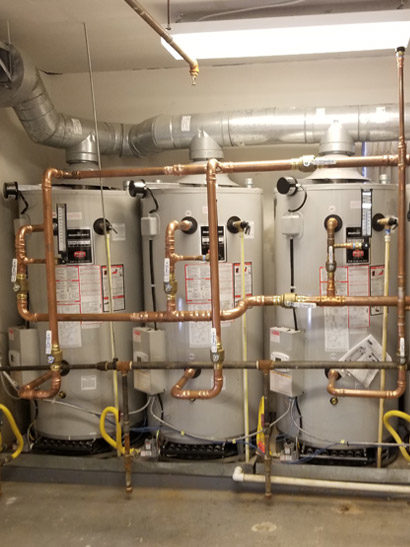
One of the primary considerations when selecting a new water heater is energy efficiency. Traditional tank models keep a large reservoir of water heated continuously, regardless of whether you are using it. This standby heat loss can account for a significant portion of your monthly utility expenses. In contrast, tankless units, also known as on-demand water heaters, only heat water when you turn on the tap. This mechanism eliminates standby energy losses and can be significantly more efficient for homes with moderate hot water usage.
For homeowners seeking a water heater, understanding these operational differences is vital. While tankless models generally offer higher efficiency ratings, the actual savings depend on how much hot water your family consumes daily. If your household uses less than 41 gallons of hot water per day, demand water heaters can be 24% to 34% more energy-efficient than conventional storage tank water heaters.
2. Evaluating Upfront Costs and Installation Requirements
The initial investment required for each system varies considerably. Traditional tank water heaters typically have a lower upfront cost for both the unit and installation. They are straightforward to replace if you are upgrading from an existing tank model, as the plumbing connections usually remain compatible. On the other hand, tankless systems often come with a higher price tag for the equipment itself.
Additionally, installing a tankless water heater may require upgrades to your home’s gas lines or electrical panel to handle the increased power demand. However, it is important to view this cost through a long-term lens. Although the initial expense is higher, the extended lifespan of tankless units and their lower operating costs can offset the initial investment over time. Homeowners should calculate the total cost of ownership rather than focusing solely on the purchase price.
3. Assessing Hot Water Demand and Flow Rates
Another crucial factor is your household’s peak hot water demand. Traditional tanks store a set amount of hot water, typically between 30 and 80 gallons. Once this supply is depleted, you must wait for the tank to refill and reheat, which can take anywhere from 30 minutes to several hours. This limitation can be problematic for large families or homes with multiple bathrooms used simultaneously. Tankless heaters provide a continuous flow of hot water, meaning you will never run out during a long shower or while running the dishwasher and washing machine at the same time.
However, each tankless unit has a maximum flow rate, measured in gallons per minute (GPM). If your simultaneous usage exceeds this rate, the water temperature may drop. Therefore, sizing the unit correctly based on your specific water heater needs is essential for optimal performance.
4. Considering Lifespan and Maintenance Needs
Longevity is another area where these two systems diverge. A standard storage tank water heater typically lasts between 10 and 15 years. Corrosion and sediment buildup inside the tank are common issues that eventually lead to failure. Tankless water heaters, however, often have a lifespan of 20 years or more.
Their components are easier to replace, which can extend their usability further. Maintenance requirements also differ. Tank models require annual flushing to remove sediment that accumulates at the bottom, which can impair efficiency and cause damage. Tankless units need regular descaling, especially in areas with hard water, to prevent mineral buildup in the heat exchanger. Proper maintenance ensures that your tankless water heater operates efficiently throughout its extended life.
Check our Google Profile to see reviews from local homeowners who have upgraded their systems and experienced improved reliability and efficiency.
5. Making the Final Decision for Your Home
Ultimately, the choice between a tank and a tankless system depends on your specific circumstances. If you have a limited budget for upfront costs and low hot water demand, a traditional tank may be the practical choice. Conversely, if you prioritize long-term energy savings, endless hot water, and a longer equipment lifespan, a tankless model is likely the better investment. Evaluating your household size, usage habits, and future plans for your home will guide you toward the right decision. Ensuring professional installation and regular maintenance is key to maximizing the benefits of either system.
Contact the Drain Team for Expert Installation
Selecting the right water heating system is a significant investment in your home’s comfort and efficiency. Whether you lean towards the reliability of a traditional tank or the modern efficiency of a tankless unit, professional guidance ensures you make the best choice. The Drain Team is here to help you navigate these options with expert advice and quality installation services. We offer free on-site estimates, and there is no service charge just to show up! Our team is also available for 24-Hour emergency services to address urgent plumbing needs. To schedule a consultation, call us at 813-689-5864 for Zephyrhills.