More and more Clearwater, FL, homeowners are making the switch to a tankless water heater, and the reasons go well beyond a general interest in energy efficiency. Pinellas County’s local climate and water quality create specific conditions that make the case for going tankless stronger here than in many other parts of the country. This article breaks down the practical benefits that matter most to Clearwater households.
How Clearwater’s Climate Makes Standby Heat Loss a Bigger Cost Driver
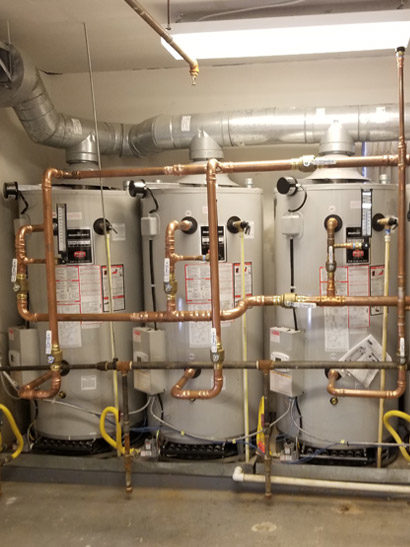
Tankless water heaters eliminate standby heat loss entirely by heating water only when you turn on the tap. Traditional tank units maintain a set water temperature around the clock, whether hot water is being used or not. In northern states, that constant standby energy draw follows a seasonal rhythm. In Clearwater, FL, the water heater runs year-round because temperatures rarely drop low enough for the system to cycle less. That means standby heat loss is not a seasonal cost here. It is an ongoing, every-month expense that accumulates across 12 full months. A tankless unit eliminates that waste at the source, drawing energy only during active use.
What Does Hard Water Do to a Traditional Water Heater in Clearwater?
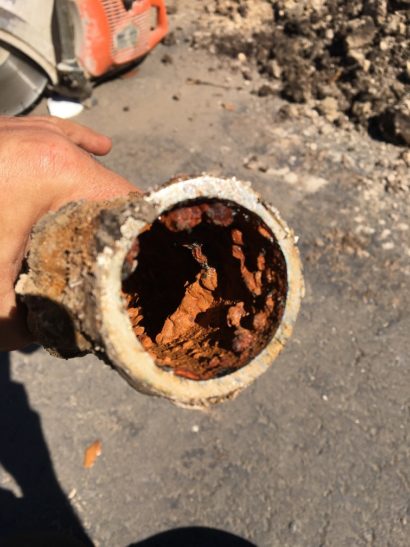
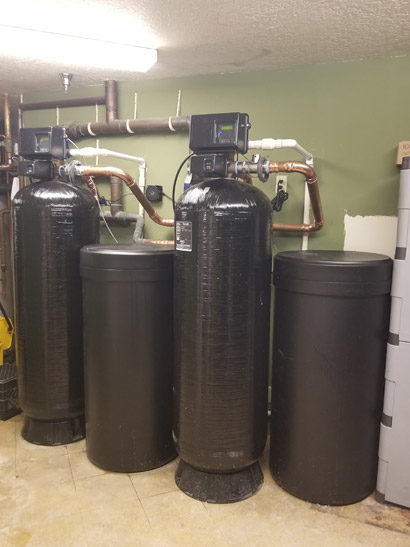
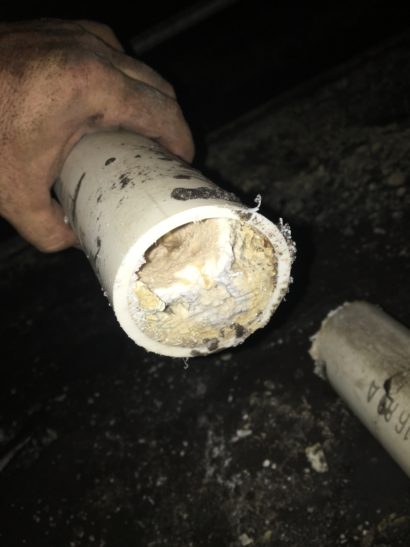
Pinellas County water is classified as hard water. Clearwater’s water hardness averages approximately 178 mg/L, or around 10 grains per gallon, sourced from a blend of groundwater and the Floridan Aquifer. That mineral content is not removed during standard water treatment. Inside a traditional tank water heater, those minerals settle to the bottom of the tank as sediment over time. The buildup acts as insulation between the heating element and the water, forcing the unit to work harder to reach temperature. It also corrodes the anode rod faster, shortening the tank’s effective life. A standard tank water heater typically lasts 8 to 12 years. In Clearwater’s hard water environment, tanks may reach the end of their usable life closer to the lower end of that range.
A tankless water heater handles hard water differently. Scale accumulates inside the heat exchanger rather than pooling at the bottom of a tank. An annual descaling flush can clear that buildup before it causes efficiency loss. Because there is no large volume of standing water collecting sediment day after day, long-term mineral damage is far more manageable. Tankless units typically last 20 or more years, and that lifespan advantage is more pronounced in hard-water markets like Pinellas County.
Why the Lifespan Gap Is Wider Here Than Elsewhere
In soft-water markets, the lifespan difference between tank and tankless units is real but less dramatic. In Clearwater, FL, elevated mineral content actively accelerates the degradation of tank components. Anode rods corrode faster and sediment builds more quickly, meaning a tank unit may need replacement years earlier than its rated life suggests. For a tankless water heater, that same hard water is a manageable maintenance variable rather than a structural threat to the equipment.
Endless Hot Water for High-Demand Clearwater Households
Tankless water heaters provide hot water continuously for as long as there is demand. This matters in households where multiple people share morning routines, where guests arrive frequently during warm months, or where outdoor living adds to peak demand. After a day at the beach or pool, back-to-back rinse showers can drain a 40 to 50 gallon tank. A tankless unit does not have a reserve to exhaust. It heats water continuously as cold water flows through the heat exchanger, so the last shower is just as hot as the first.
Space Savings in Florida Homes With Limited Utility Areas
Many Clearwater and Pinellas County homes feature compact utility closets or garage-mounted water heaters where floor space is limited. A traditional tank unit can stand four to five feet tall and occupy a significant footprint. A wall-mounted tankless water heater takes up a fraction of that space. For homeowners reconfiguring a laundry room, finishing a garage, or reclaiming storage space, the smaller profile is a meaningful practical advantage.
What to Consider Before Making the Switch
A tankless water heater is not a plug-and-play replacement for a tank unit. The water heater installation process for a tankless system may involve upgrades to gas line capacity, electrical connections, or venting, depending on fuel type and the home’s existing infrastructure. Proper sizing is also important. A unit too small for the home’s peak flow rate will underperform. These are planning considerations a qualified plumber should assess before any water heater installation decision is made. You can learn more about options available to Clearwater homeowners on the water heater services page.
Ready to Explore a Tankless Water Heater in Clearwater, FL?
The Drain Team has been serving Tampa Bay area homeowners for more than 40 years, and their technicians carry and recommend Rinnai, Rheem, and Takagi tankless units. That brand range means a Clearwater homeowner can get a unit matched to their household’s actual size and demand. If you are considering a new water heater installation and want to understand which options make the most sense for your home and Clearwater’s water conditions, call 727-573-5400 for a free estimate. You can also read reviews and explore the service area on The Drain Team Google Business Profile.